Common Causes Of Drain Clogs In Kitchens And Bathrooms
People searching for drain clog clearing often want to remove blockages caused by hair, grease, or debris, and local contractors can efficiently clear these common causes.
Understanding the common causes of drain clogs in kitchens and bathrooms can help property owners prevent inconvenient and costly plumbing issues. In busy households, everyday habits such as disposing of food scraps, grease, or hair down drains often lead to blockages over time. Recognizing these typical culprits allows homeowners and property managers to take practical steps to keep drains flowing smoothly, and when clogs do occur, local contractors specializing in drain clearing are equipped to quickly resolve the problem.
For those in the area, exploring the reasons behind drain clogs offers valuable insight into maintaining a well-functioning plumbing system. Whether it's a buildup of debris, soap scum, or mineral deposits, understanding these common causes highlights the importance of regular maintenance and timely intervention. Local service providers who specialize in drain clearing can assist property owners by addressing these issues efficiently, helping to prevent future clogs and keep plumbing systems in optimal condition.
- Drain Clog Clearing - needed when kitchen or bathroom drains become slow or completely blocked due to common causes of drain clogs in kitchens and bathrooms, with local contractors using specialized tools to remove debris.
- Drain Clog Clearing - required when hair, soap scum, or grease buildup causes persistent clogs, and service providers employ snaking or hydro-jetting techniques to restore flow.
- Drain Clog Clearing - necessary when food particles or grease accumulate in kitchen drains, prompting local pros to perform thorough cleaning to prevent future blockages.
- Drain Clog Clearing - called for when mineral buildup or foreign objects obstruct bathroom drains, with local contractors inspecting and clearing the line to ensure proper drainage.
- Drain Clog Clearing - needed when recurring clogs indicate underlying issues, and local service providers diagnose and address the root causes to keep drains clear.
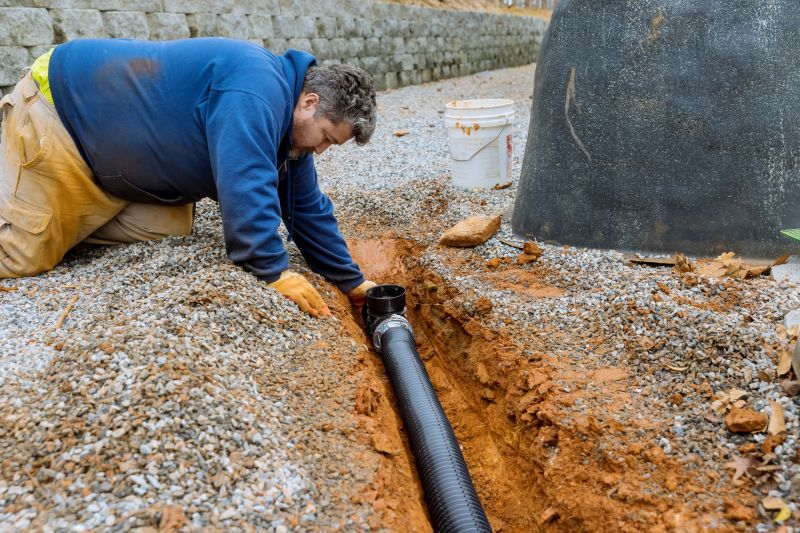
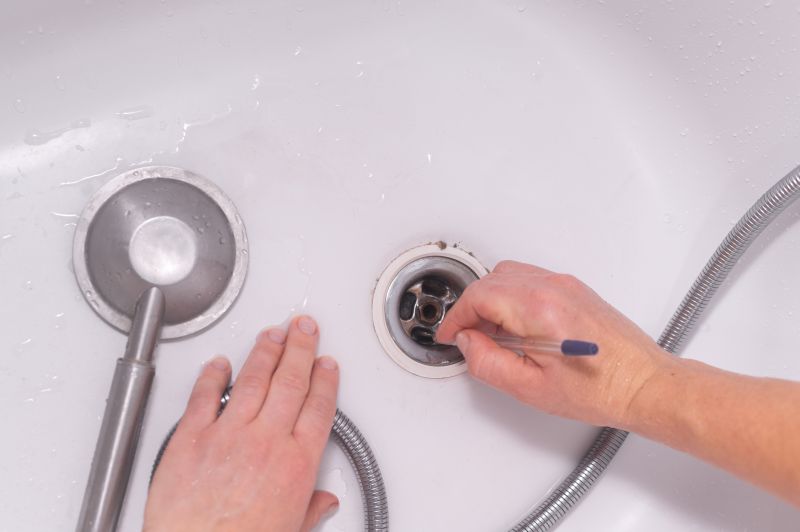

When homeowners search for information on common causes of drain clogs in kitchens and bathrooms, they are usually looking to understand why their drains become blocked or slow over time. These searches often relate to ongoing plumbing issues or sudden backups that disrupt daily routines. People interested in this topic are typically seeking practical insights to prevent future problems or to identify the root of current clogs. Understanding these causes helps homeowners plan effective solutions, whether that involves routine maintenance, DIY efforts, or professional drain clearing services. Local contractors who specialize in drain clog removal are often called upon to address stubborn or recurring blockages caused by these common issues.
Drain clogs in kitchens and bathrooms are frequently linked to everyday habits and the materials that go down the drain. In kitchens, grease, oil, and food particles are common culprits, especially when fats solidify and adhere to pipe walls. Bathrooms, on the other hand, often see clogs caused by hair, soap scum, and mineral buildup from hard water. Over time, these materials accumulate and form obstructions that restrict water flow. Recognizing these common causes can help homeowners develop better habits-like avoiding pouring fats down the drain or using drain screens to catch hair-reducing the likelihood of future clogs. When these blockages do occur, local drain clog clearing specialists have the tools and experience to remove stubborn buildup effectively.
Certain property types are more prone to drain clogs due to their plumbing configurations and usage patterns. Older homes with aging pipes may experience more frequent blockages because of corrosion, mineral deposits, or pipe deterioration. Multi-unit buildings or homes with high water usage often see increased clogging from accumulated debris or inadequate drainage systems. Additionally, properties with poorly maintained plumbing or improper disposal habits tend to face more frequent issues. Understanding the property’s age, plumbing layout, and usage habits can help homeowners identify the most likely causes of drain problems. Local service providers experienced in drain clearing can assess these factors and recommend solutions tailored to each property’s specific needs.
In many cases, addressing common causes of drain clogs in kitchens and bathrooms involves a combination of preventive measures and professional intervention. Homeowners can reduce the risk of future blockages by avoiding pouring grease down the drain, using drain screens, and scheduling regular maintenance. When clogs persist or worsen, local drain clog clearing specialists are equipped to handle the removal of stubborn obstructions caused by these common issues. These professionals use specialized tools and techniques to clear pipes efficiently, helping restore proper drainage without damaging plumbing systems. Connecting with experienced service providers ensures that drain problems are resolved effectively, minimizing inconvenience and preventing costly repairs down the line.
Plumbing Repair Projects - These projects often involve diagnosing and fixing issues related to drain blockages caused by debris or buildup, similar to clearing drain clogs in kitchens and bathrooms.
Kitchen and Bathroom Renovations - Renovation work requires planning for proper drainage systems and addressing potential clog sources during installation, aligning with drain maintenance skills.
Pipe Replacement Services - Replacing aging or damaged pipes helps prevent common causes of drain clogs in kitchens and bathrooms, involving similar planning and tool use.
Drain Inspection and Camera Services - These services are used to identify the causes of drain blockages, making them relevant for resolving issues related to common clog sources.
Fixture Installation Projects - Installing sinks, faucets, and toilets involves understanding drainage connections, which is related to managing and preventing drain clogs.
Leak Detection and Repair - Detecting leaks can prevent buildup and clogs caused by water damage or debris accumulation in plumbing systems, similar to addressing drain issues.
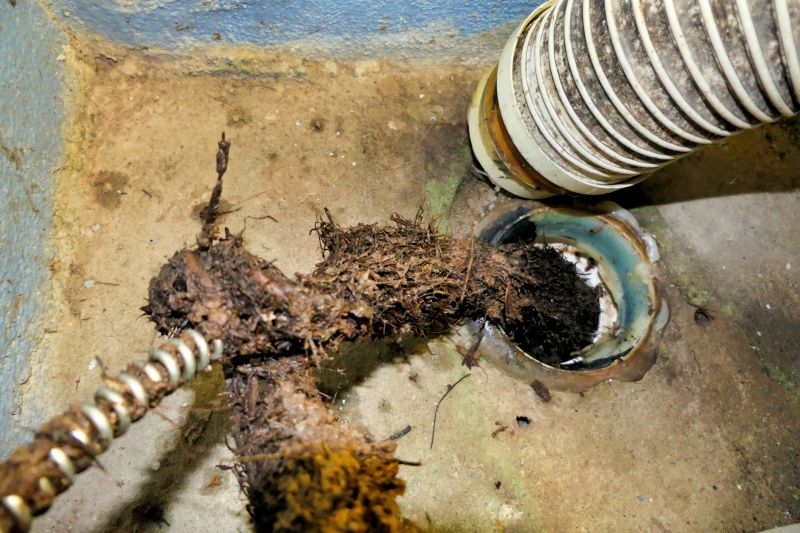
When comparing service providers for drain clog clearing, it’s important to consider their experience with similar projects. Homeowners should look for local contractors who have a proven track record of effectively addressing common causes of drain clogs in kitchens and bathrooms. An experienced professional will understand the typical sources of blockages, such as grease buildup, hair, soap scum, or mineral deposits, and will be familiar with the best methods to resolve these issues efficiently. Asking about previous work or seeking references can help gauge a contractor’s familiarity with the specific challenges that often lead to drain clogs in these areas.
Clear, written expectations are essential when evaluating potential service providers. Homeowners should seek detailed descriptions of the services offered, including what the scope of work will involve and what is not included. This transparency helps prevent misunderstandings and ensures that the contractor’s approach aligns with the homeowner’s needs. When comparing local contractors, it’s also beneficial to inquire about their process for diagnosing the cause of clogs, as well as how they plan to address common issues like buildup or obstructions, to ensure the service will thoroughly resolve the problem.
Good communication and reputable references are key factors in selecting a reliable drain clog clearing service. Homeowners should look for local contractors who are responsive and willing to answer questions clearly, providing explanations about the potential causes of drain issues and recommended solutions. Seeking references or reviews from previous clients can offer insights into the contractor’s professionalism, quality of work, and ability to handle similar projects successfully. Choosing a service provider with a reputation for clear communication and dependable service can help ensure that the drain clearing process is smooth and that the underlying causes of clogs are properly addressed.
Property owners often search for common causes of drain clogs in kitchens and bathrooms when they are planning practical projects around their homes and businesses. Local pros provide Drain Clog Clearing services for everyday jobs and straightforward project options.
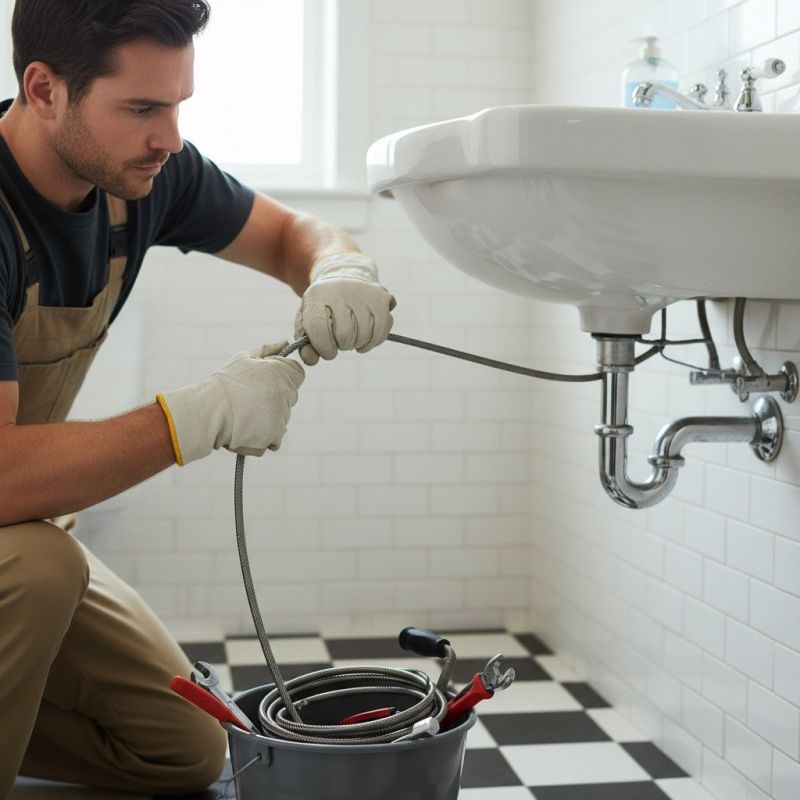
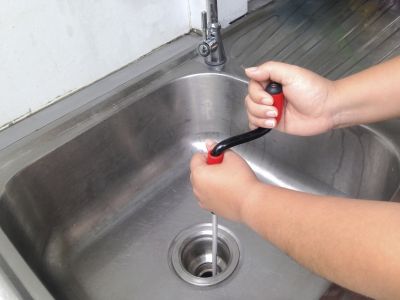
Many property owners in the area search for information about common causes of drain clogs in kitchens and bathrooms because these issues can disrupt daily routines and cause inconvenience. Everyday activities such as rinsing food scraps down the kitchen sink or washing hair in the bathroom can introduce debris, grease, and soap buildup that gradually block pipes. Over time, hair, soap residue, and food particles tend to accumulate, leading to slow draining or complete clogs. Recognizing these typical causes can help homeowners understand when professional drain clearing services might be necessary to restore proper flow and prevent further damage.
Additionally, certain habits and common household items contribute to drain problems in these spaces. For example, disposing of cooking grease or oil down the drain can solidify and stick to pipe walls, creating stubborn blockages. In bathrooms, hair and personal care products often combine with soap scum to form stubborn clogs. Property owners who encounter persistent drain issues may consider reaching out to local contractors experienced in drain clearing. These service providers have the tools and expertise to address the root causes of blockages, helping to keep plumbing systems functioning smoothly.
What are common causes of drain clogs in kitchens and bathrooms? Common causes include buildup of grease, soap scum, hair, and food particles that can accumulate over time and block pipes.
How does hair contribute to drain clogs in bathrooms? Hair often combines with soap residue and debris, forming clogs that restrict water flow in bathroom drains.
Can food scraps cause kitchen drain clogs? Yes, food particles like rice, pasta, and grease can solidify and create blockages in kitchen drains if not properly disposed of.
Why do soap and mineral deposits lead to drain clogs? Soap scum and mineral buildup can accumulate on pipe walls, narrowing the passage and eventually causing clogs.
How can local contractors help with drain clog issues caused by these common problems? They can perform drain clearing services to remove buildup and debris, restoring proper flow and preventing future clogs.
Preventing grease buildup - property owners can learn to dispose of cooking fats properly to reduce the risk of kitchen drain clogs and seek drain clog clearing services when buildup occurs.
Managing hair accumulation - using drain screens or hair catchers can help prevent bathroom drain blockages caused by hair, with local contractors available for thorough cleaning if necessary.
Avoiding food debris in sinks - property owners can develop habits of scraping food scraps into the trash instead of the sink to minimize clogs and rely on professional services for removal of stubborn obstructions.
Handling soap and mineral deposits - understanding how soap scum and mineral buildup contribute to drain issues can encourage regular maintenance and prompt professional intervention when clogs develop.
If you are thinking about common causes of drain clogs in kitchens and bathrooms for a property, this guide is meant to help you understand this topic, the typical project types, and how different options might fit your plans.
When you are ready, you can use the quote form on this page to share a few details about your project. From there, local pros can review the basics and follow up with options that match what you have in mind.